When someone asks ChatGPT a question and your competitor’s page gets cited but yours doesn’t, that’s a GEO problem. Not an SEO problem. Not a content quality problem. A Generative Engine Optimization problem.
GEO is the practice of structuring your content so that AI-powered search platforms like ChatGPT, Perplexity, Google AI Overviews, and Claude can retrieve, cite, and recommend it when generating responses. The term was coined in a 2023 research paper by researchers from Princeton, Georgia Tech, the Allen Institute for AI, and IIT Delhi. By 2026, it has become a core discipline alongside traditional SEO.
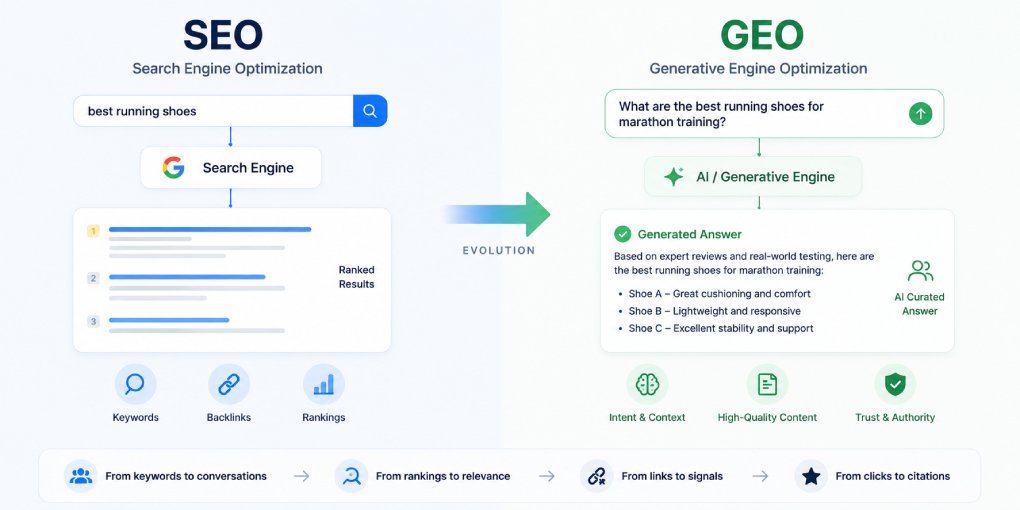
GEO vs SEO: the real difference
Traditional SEO optimizes for rankings. You compete for positions 1-10 on a search results page, and you earn clicks when users see your listing.
GEO optimizes for citations. You compete to be one of the 2-7 sources that an AI engine references when it generates a response. There is no “position 1.” There is either cited or not cited.
This distinction matters because the two systems evaluate content differently. Google uses backlinks, domain authority, and user engagement signals built over years. AI engines weigh content structure, schema markup, source credibility, and whether the content can be cleanly extracted and attributed. A page can rank #1 in Google but never get cited by ChatGPT if it lacks the structural elements AI engines prioritize.
That said, the two disciplines aren’t separate. Google’s own guidance, published in May 2026, states that optimizing for generative AI search is still SEO from their perspective. The fundamentals overlap: quality content, clean structure, proper metadata, and strong authority work for both. GEO adds a layer of structural optimization on top of that shared foundation.
What GEO actually involves
The Princeton research identified specific techniques that can improve AI visibility by 30-40%. The ones that consistently work:
Structured data markup. JSON-LD schema (Article, FAQPage, HowTo, Product) gives AI engines explicit metadata about your content. This is the single most impactful GEO technique because it removes guessing from the extraction process.
Citation-worthy content. AI engines prefer sources that include data, statistics, expert references, and authoritative statements. Content that says “studies show X” with a source link gets cited more than content that says “many people believe X” without attribution.
Semantic clarity. Clear definitions, direct answers, and self-contained paragraphs that a model can extract without needing surrounding context. The “X is…” pattern remains the most reliably extractable sentence structure.
Content structure. Clean heading hierarchy, short paragraphs, lists for multiple items, and summary sections that give models pre-packaged extraction targets.
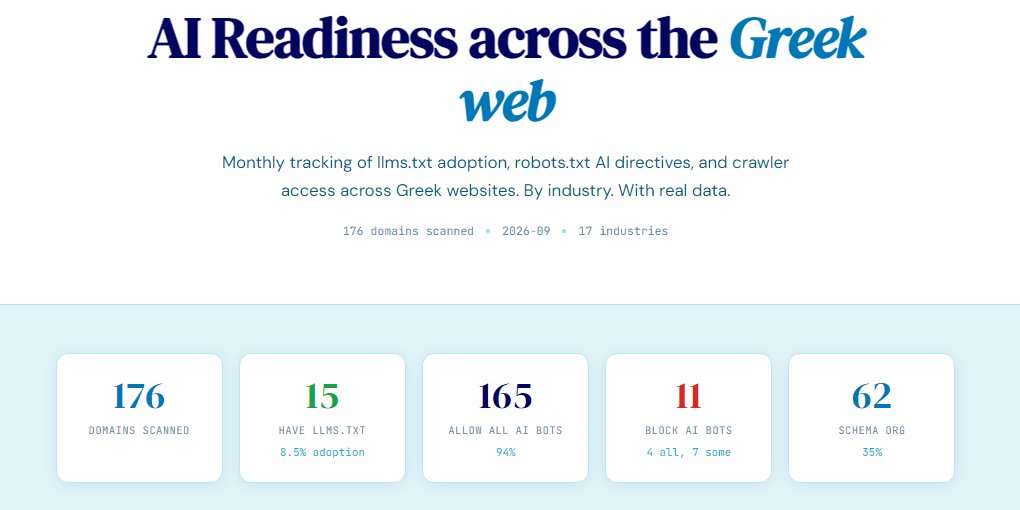
Source credibility signals. Author attribution, About page, social profiles, llms.txt file, and proper robots.txt configuration that allows AI crawlers. These signals influence whether a model trusts your content enough to cite it.
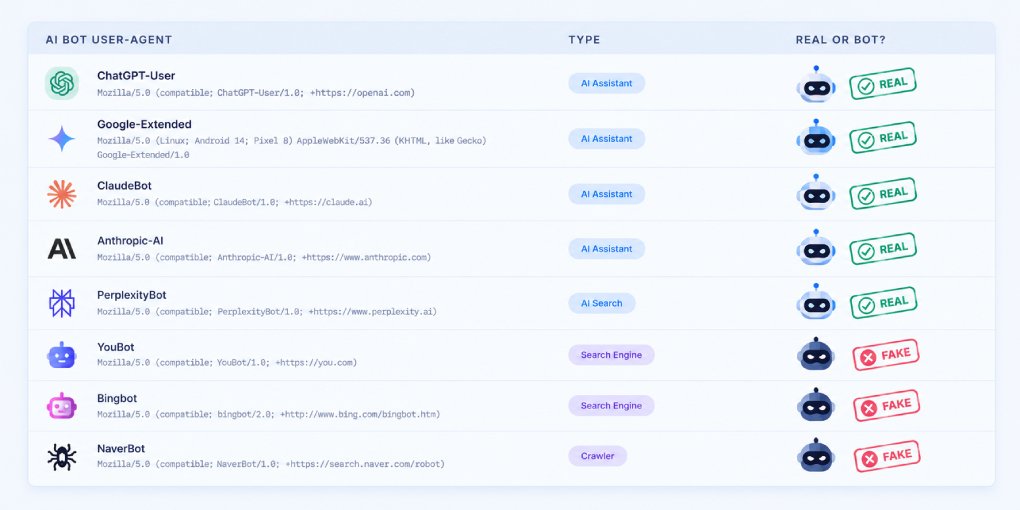
AI crawler access. If your robots.txt blocks GPTBot, OAI-SearchBot, ClaudeBot, or PerplexityBot, your content is invisible to those platforms regardless of quality. Use the hey-eye robots.txt generator to verify your configuration.
The also-known-as problem
GEO goes by several names depending on who you ask. You might see it called AEO (Answer Engine Optimization), LLMO (Large Language Model Optimization), GSO (Generative Search Optimization), or simply “AI SEO.” They all describe the same goal: get your content cited by AI.
Google’s position is that it’s all just SEO. The industry disagrees, arguing that AI-specific optimization techniques (structured data for LLM extraction, llms.txt files, AI crawler management) constitute a distinct enough discipline to warrant its own name.
The terminology doesn’t matter. What matters is whether you’re doing the work.
What doesn’t work
The Princeton research also tested tactics that failed:
Keyword stuffing for AI. Repeating terms to game AI extraction doesn’t work. Models evaluate semantic relevance, not keyword density.
Fake authority signals. Fabricating citations, inventing statistics, or attributing quotes to people who never said them. AI engines are increasingly good at cross-referencing claims, and getting caught destroys trust permanently.
Optimizing for one model only. Writing content that matches ChatGPT’s specific citation patterns while ignoring Claude and Perplexity is fragile. Models update frequently and patterns shift. General structural optimization wins across all platforms.
Measuring GEO performance
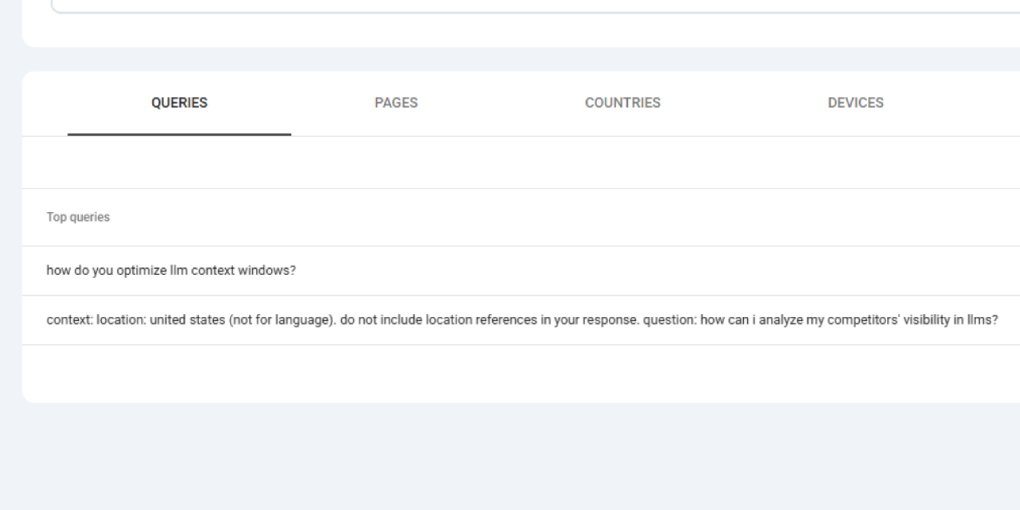
Traditional SEO measurement is straightforward: rankings, impressions, clicks in Search Console. GEO measurement is harder because most AI platforms don’t provide analytics about citations.
The best available tools:
Bing Webmaster Tools AI Performance. Shows total AI citations and cited pages for content surfaced through Bing-powered AI features. This is currently the most accessible citation data available.
Google Search Console Generative AI report. Shows how your content performs specifically in Google’s AI features.
Manual testing. Ask ChatGPT, Claude, and Perplexity questions in your space and note which sources get cited. Time-consuming but reveals real-world performance.
Structural scoring. Run your pages through hey-eye to measure the structural signals that drive AI citations: schema completeness, heading hierarchy, content clarity, and trust signals. A page that scores well across all four pillars is fundamentally GEO-ready.
Where to start
If you’re starting from zero, this priority list will get you the most impact for the least effort:
- Check your robots.txt and ensure AI crawlers are allowed
- Add JSON-LD schema to your top pages (use the hey-eye JSON-LD generator)
- Create an llms.txt file for AI discoverability
- Run a website audit to identify structural gaps across your site
- Fix heading hierarchy, paragraph length, and missing metadata on your highest-traffic pages
GEO is not replacing SEO. It’s extending it into a channel that’s growing faster than traditional search. The structural work you do for GEO benefits your traditional rankings too. There is no tradeoff. There is only work you’re doing or work you’re leaving on the table.